Why Reduced UV Exposure Makes Now the Time for Chemical Peels
Truly Lifted MedSpa • October 28, 2026
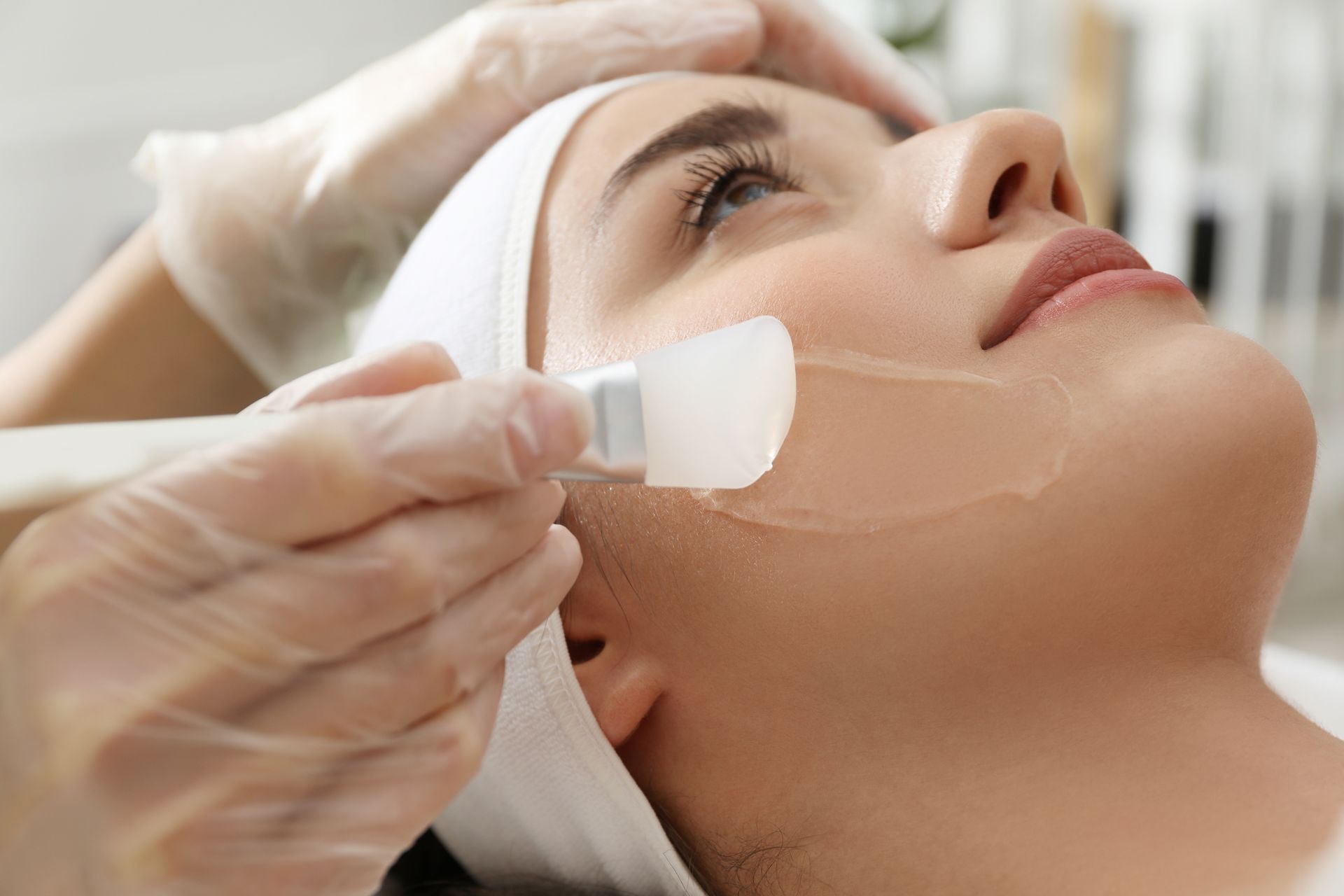
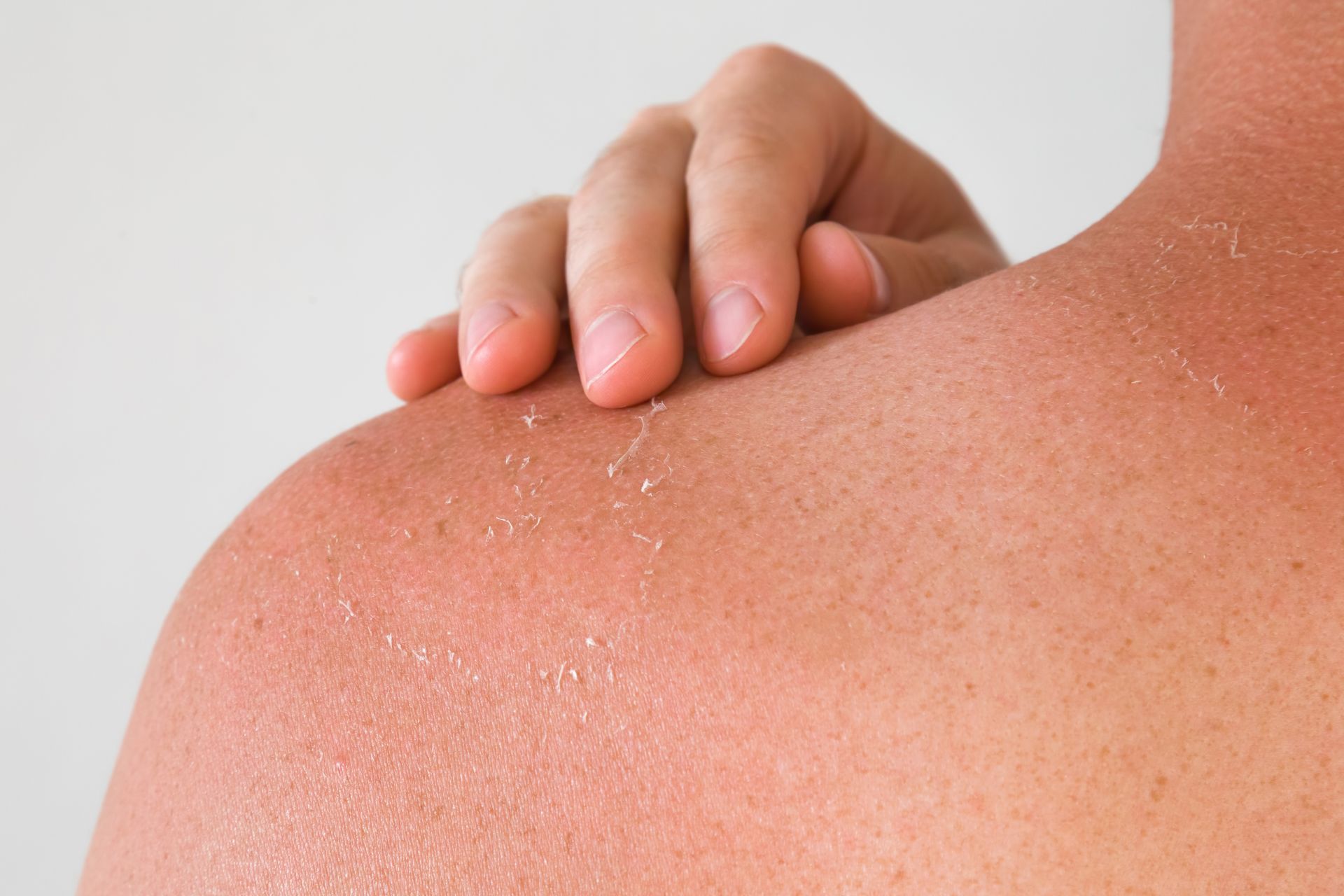
Lingering sun damage from the summer months often leaves behind stubborn dark spots and a thickened uneven texture. While corrective treatments are highly effective attempting them during peak summer heat carries a significant risk of unwanted inflammation. At Truly Lifted MedSpa we advise our clients to utilize the cooler months for deep dermal repair. Understanding late-year chemical peel safety allows you to aggressively target pigmentation when environmental risks are at their lowest.
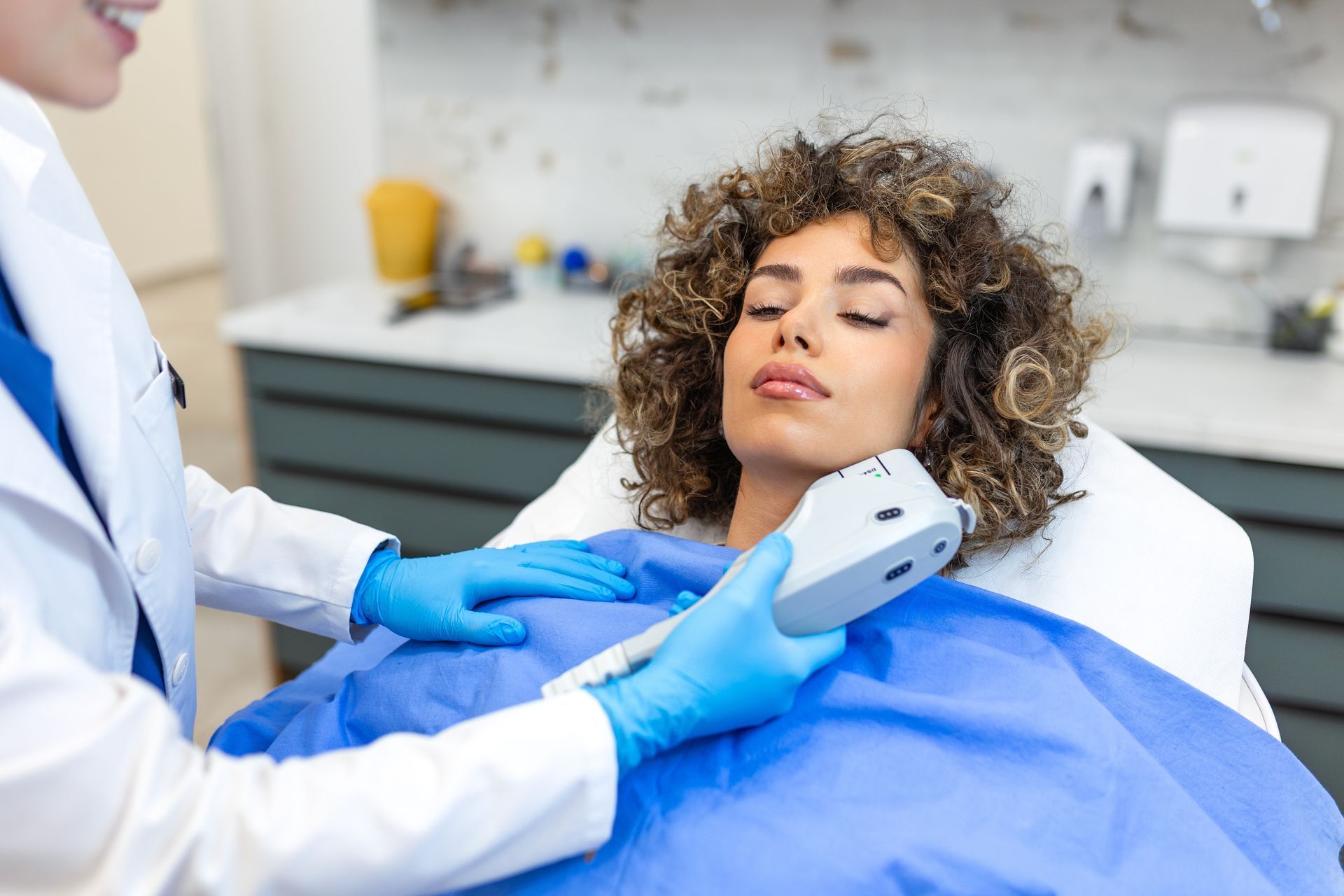
As daylight hours shorten your skin is naturally exposed to less ambient UV radiation. This seasonal shift creates the perfect biological window for Georgetown TX residents to undergo advanced resurfacing protocols. Delaying these treatments until spring means you will battle intense sun exposure during your most vulnerable healing phase. Acting now ensures your complexion is fully restored and protected before the intense Texas heat returns.
Topics in This Guide:
- Stage 1: Assess Your Pigmentation and Baseline
- Stage 2: Schedule Your Treatment Window
- Stage 3: Protect the Healing Tissue
- Frequently Asked Questions
Stage 1: Assess Your Pigmentation and Baseline
Before committing to a medium depth peel you must evaluate the actual damage left behind by the summer sun. Correctly identifying your specific pigmentation type ensures we select the appropriate acid blend for your skin.
• Identify Sunspots: Look closely at your cheeks and forehead for concentrated areas of brown pigment that darkened over the summer.
• Evaluate Texture: Note any areas where your skin feels rough, dull, or congested from months of heavy sunscreen and sweat.
• Review Current Skincare: Document your current use of retinoids or active exfoliants so we can safely pause them before your treatment.
Stage 2: Schedule Your Treatment Window
Booking your appointment during the late fall or early winter requires looking ahead at your social calendar. Because advanced peels require true physical downtime you must map out your recovery days strategically.
• Block Out Recovery Time: Ensure you have five to seven days free of major social events or strenuous outdoor activities.
• Avoid Holiday Clashes: Book the session at least three weeks before any major family gatherings so your skin is fully healed and glowing.
• Plan for Indoors: Choose a week where your work schedule allows you to remain primarily indoors away from any direct sunlight.
Stage 3: Protect the Healing Tissue
The success of your late-year peel depends entirely on how you treat the vulnerable tissue as it sheds. Cold weather brings its own unique challenges for healing skin that must be managed carefully.
► Exposing freshly peeled skin to unprotected sunlight even in the winter can immediately trigger severe post-inflammatory hyperpigmentation.
• Guard Against Windburn: Wear a physical barrier like a scarf to protect the sensitized skin from harsh biting winds.
• Manage Indoor Heating: Use a humidifier in your bedroom to prevent central heating from stripping the fragile moisture from your healing face.
• Layer Healing Serums: Incorporate regenerative treatments like exosome therapy to speed up the cellular repair process and reduce tight dry sensations.
Frequently Asked Questions
Why is UV avoidance critical after a medium depth peel?
A clinical peel intentionally removes the protective outer layer of your epidermis to erase damaged cells. This leaves the fresh new tissue completely defenseless against ultraviolet rays. If this raw skin is exposed to the sun it carries a high risk of melanocytes overproducing pigment as a panic response. This can lead to dark patches that are often harder to treat than the original sun damage.
How does ambient indoor heating affect recovering skin?
During the cooler months we constantly run central heating systems which aggressively pull moisture out of the indoor air. When your skin is peeling its natural lipid barrier is compromised making it highly susceptible to this rapid moisture loss. This environmental dryness can cause the shedding skin to crack painfully instead of flaking off smoothly requiring extra diligence with thick moisturizers.
What barrier creams are best for post peel healing?
You need a medical grade recovery balm that is strictly focused on lipid replacement and anti inflammatory support. Products containing dense ceramides, hyaluronic acid, and dimethicone create a safe occlusive seal over the raw tissue. We always advise avoiding anything with synthetic fragrances, botanical oils, or active acids until the structural barrier is fully restored.
Secure Your Seasonal Resurfacing Window
Taking advantage of the cooler months allows you to achieve dramatic improvements in your skin tone without the heavy risks of summer sun. By acting strategically now you give your body the time it needs to safely remodel and reveal a flawless complexion. If you are ready to erase the lingering signs of summer weathering our clinical team has the perfect protocol waiting for you. Contact the clinic to secure your spot before the prime peeling season closes.
Share This Blog