Addressing Textural Scarring: The Clinical Role of Microneedling
Truly Lifted MedSpa • September 16, 2026
Acne breakouts are frustrating enough on their own but the pitted indentations they leave behind serve as a daily reminder of past inflammation. At Truly Lifted MedSpa we routinely consult with patients who feel defeated by skin texture that looks uneven under harsh lighting or makeup. When dealing with microneedling for textural scarring we apply precise clinical techniques to encourage your body to naturally fill in these stubborn depressions. Our medical approach rebuilds the structural foundation of your skin so you can regain a smooth and refined complexion.
Surface level treatments like basic exfoliation simply cannot reach the dermal layer where true scar tissue forms. When severe acne damages the skin the body often produces thick disorganized collagen fibers as a hurried repair mechanism. Correcting this requires a targeted intervention that breaks down the rigid bands while stimulating fresh organized tissue growth. By utilizing advanced clinical devices we provide our Georgetown TX patients with a reliable method for smoothing out historical skin damage.
In This Article:
- The Pathology of Depressed Acne Scars
- How deep should microneedling go for acne scars?
- Why At Home Devices Worsen Scar Texture
- The Clinical Healing Cascade
The Pathology of Depressed Acne Scars
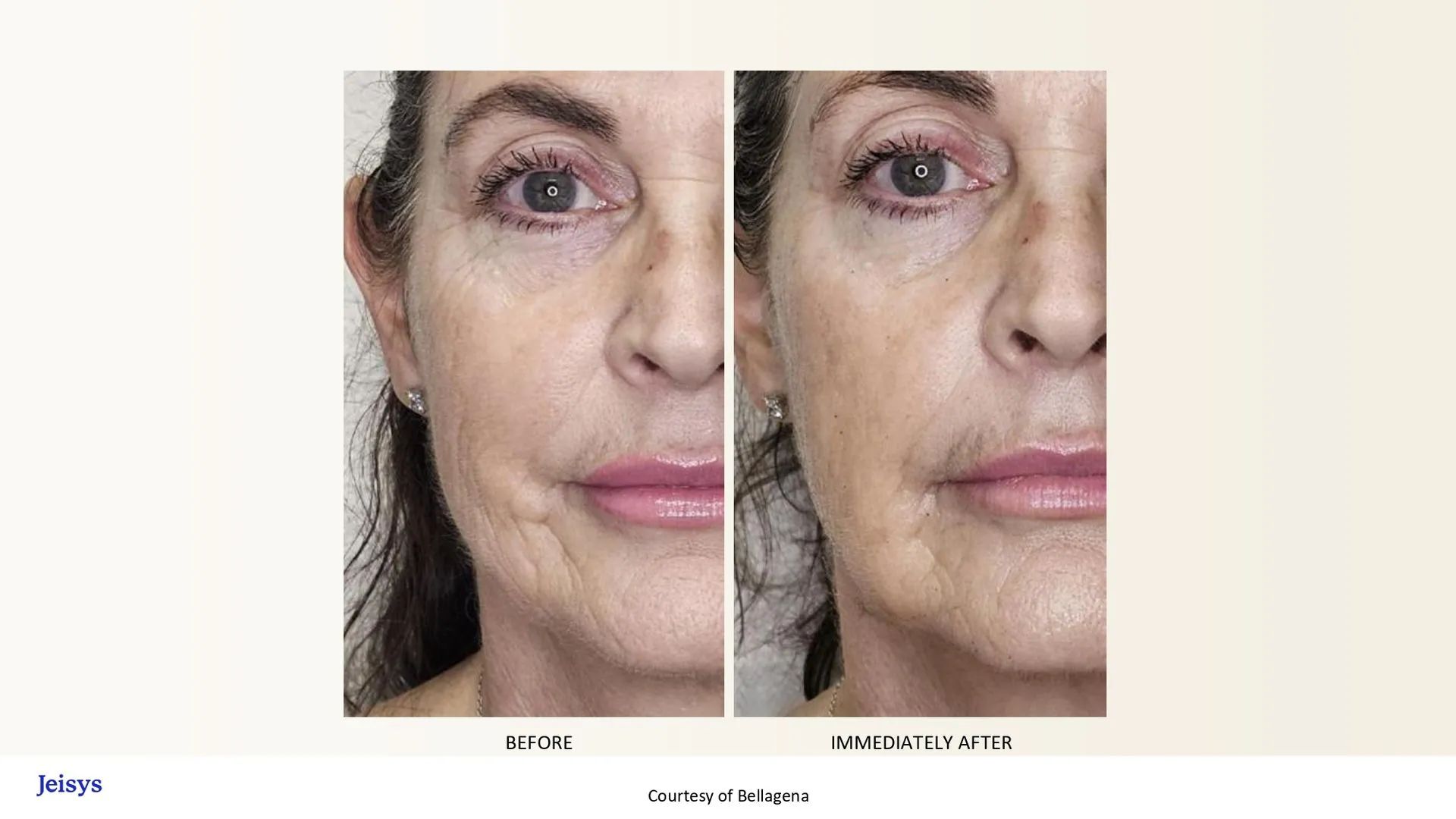
Understanding why your skin looks pitted is the first step toward finding an effective resolution. When a deep cystic breakout erupts it destroys healthy tissue and fat beneath the surface. As the infection clears the body rushes to heal the void but frequently fails to produce enough collagen to fill the gap completely. This biological shortfall results in atrophic scars such as ice pick, boxcar, or rolling indentations that disrupt the smooth plane of your face.
→ True textural scarring is a structural deficit in the lower dermis that topical creams are biologically incapable of fixing.
To resolve these indentations we must mechanically force the skin to restart its natural healing process. Standard facials only treat the upper epidermis leaving the tethered scar tissue below completely untouched. Our clinical focus is entirely on remodeling the deep dermal matrix where the structural deficit actually exists.
How deep should microneedling go for acne scars?
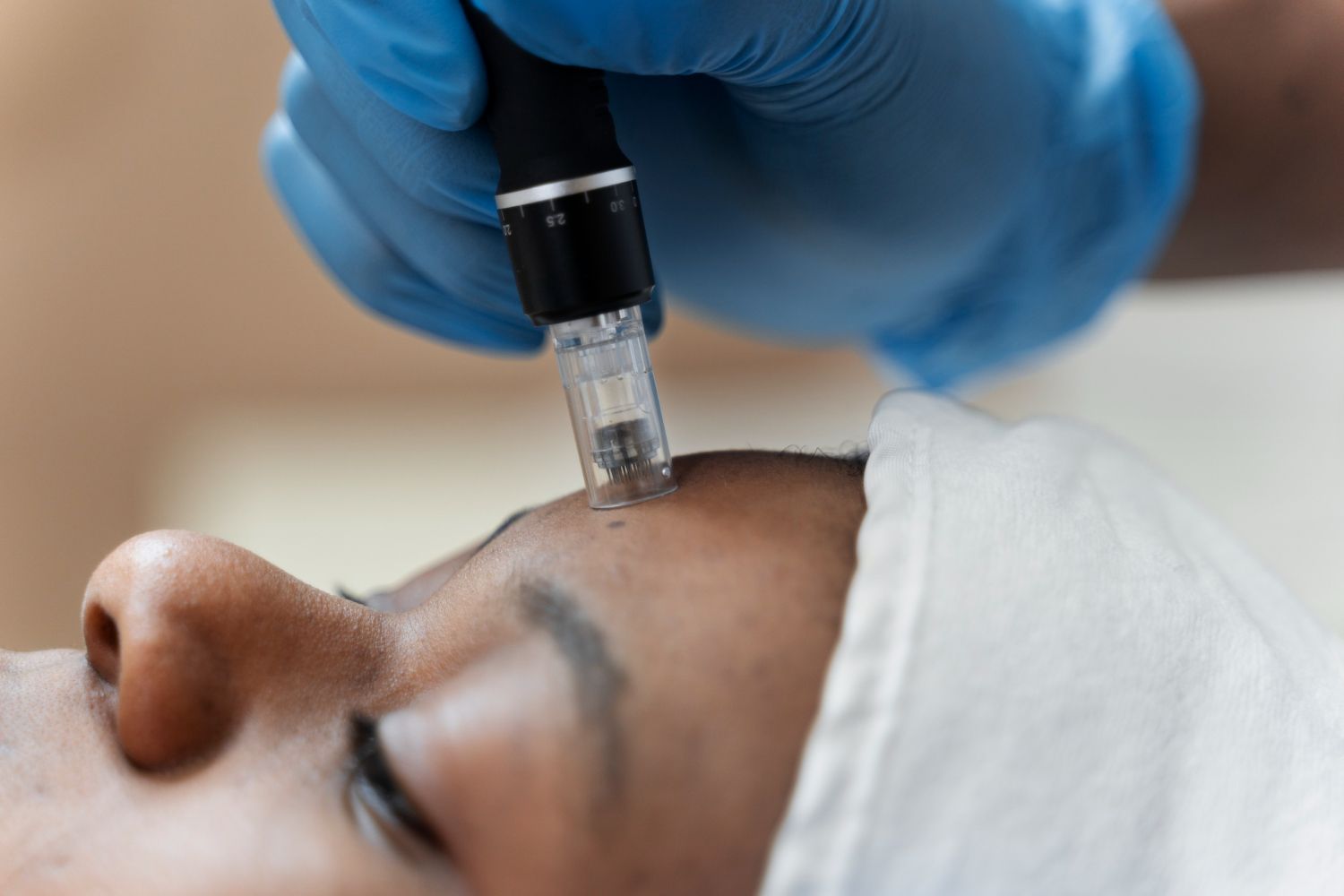
Treating severe textural issues requires precise depth control that varies based on the thickness of the scar and its location on the face. For noticeable atrophic acne scarring our clinical devices typically operate between 1.5 to 2.5 millimeters deep. This specific depth is necessary to bypass the epidermis and physically break up the rigid fibrous bands anchoring the scar downward. Only a trained medical provider can safely adjust these needle depths to ensure effective collagen stimulation without causing unwanted dermal trauma.
Why At Home Devices Worsen Scar Texture
Many frustrated individuals turn to inexpensive dermal rollers purchased online hoping for a quick fix for their uneven skin. These at home tools utilize a rolling drum mechanism that enters the skin at an angle and exits at a different angle. This dragging motion creates erratic tearing in the tissue rather than the clean vertical micro channels produced by a clinical stamping device.
→ Dragging unsterilized needles across your face often creates micro tears that lead to more disorganized scar tissue and bacterial infections.
Attempting to treat deep scars at home usually exacerbates the problem by inducing uncontrolled inflammation. Furthermore consumer devices are rarely sharp enough to penetrate the tough fibrous bands of an old acne scar. We frequently have to halt our advanced treatments like chemical peels to first repair the barrier damage caused by these aggressive DIY rolling sessions.
The Clinical Healing Cascade
When we perform microneedling for textural scarring we are intentionally creating controlled micro injuries to trigger a highly orchestrated immune response. The body perceives these tiny channels as a wound and immediately sends nutrient rich blood and growth factors to the area. This influx of healing properties systematically breaks down the old rigid scar tissue.
→ Controlled clinical injury forces your body to replace thick disorganized scar tissue with a smooth and flexible collagen network.
Over the next several weeks your fibroblasts work continuously to weave new organized collagen and elastin fibers into the previously tethered spaces. This gradual biological process slowly pushes the indented scar upward so it sits flush with the surrounding healthy skin. Patients who follow a dedicated treatment series experience a significant and long-lasting refinement in their overall facial texture.
Reclaim Your Smooth Complexion
You do not have to settle for uneven skin texture or rely on heavy makeup to hide past acne damage. By leveraging your natural healing response you can safely and durably rebuild the dermal foundation of your face. If you are ready to address stubborn textural issues with a proven medical approach our clinical team is here to help. Reach out to schedule a consultation so we can map out a targeted resurfacing plan just for you.
Share This Blog